All Categories
Featured
Boosting Portfolio ROI Through Advanced Grounds Care
Streamlined Solutions for Large-Scale Landscape Portfolios

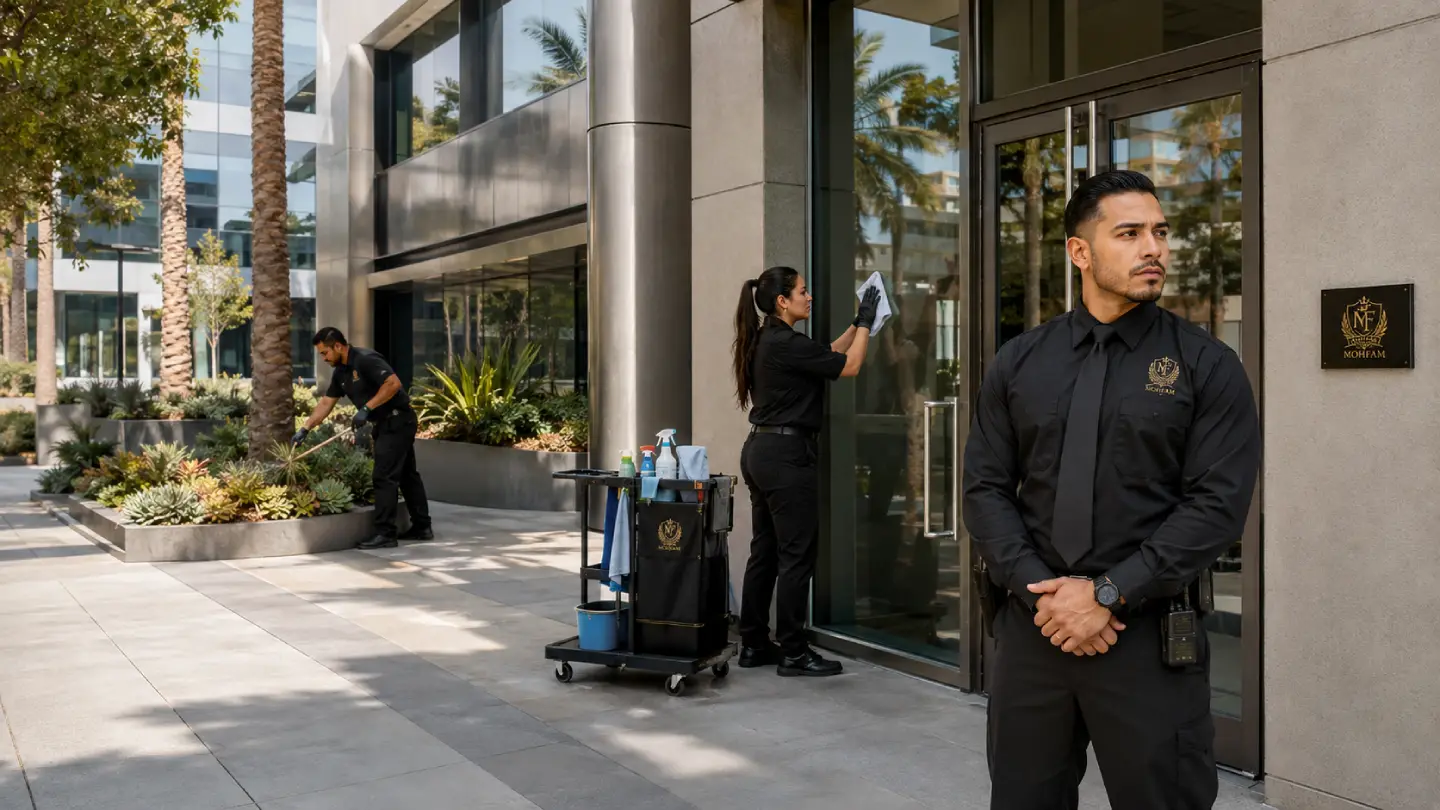
Is Portfolio Maintenance Standards Ready for 2026?
Table of Contents
Current legal modifications impose new requirements for owners of California commercial residential or commercial properties, at least with regard to particular specific types of tenants. Efficient Jan. 1, 2025, the Industrial Occupant Defense Act, enacted in the Civil Code as SB 1103, reaches "Qualified Industrial Occupants (QCTs)" defenses of the sort previously relevant to renters in property scenarios.
Starting in 2025, commercial homeowner and managers face extra legislative requirements and limitations when handling QCTs. The Industrial Occupant Defense Act represents a new legal foray into industrial leasing matters previously left susceptible to legal negotiation and bargaining power; these securities for small companies, nonprofits and food operators resemble comparable protections versus rent increases, eviction controls and other measures in the property leasing context and may show notable if they hint other legislative attempts in the future to protect small tenant operators in business settings.
For rent boosts of 10 percent or less of the rent charged throughout the previous 12 months of such tenancies, owners need to provide QCTs a minimum of one month' notice before the boost takes impact. For boosts of more than 10 percent, owners should provide a minimum of 90 days' notification ahead of time.
Meeting US Compliance Requirements for Professional Landscapes
Third, lease agreements with QCTs negotiated primarily in Spanish, Chinese, Tagalog, Vietnamese or Korean should be translated into such language, and the translation must be provided to the QCT. Fourth, and most especially, owners may collect building operating costs from QCTs just if they 1) assign such costs proportionately to each renter and 2) offer comprehensive and itemized supporting documentation thereof.
For additional information about how this law impacts the ownership and management of business residential or commercial properties in California, contact the authors or your Holland & Knight West Coast Realty Practice Group attorney.
Reliable home compliance management requires a systematic method that combines innovation, procedures, and clear accountability. The following framework addresses the five most typical compliance management failures. Spreadsheets, e-mail tips, and shared drives create spaces. A centralized compliance platform provides a single view of all responsibilities, due dates, examination records, and documentation throughout the portfolio.
Landscape Maintenance ServicesTop Practices for Landscape Portfolio Management
Important compliance dates-- fire security examinations, elevator certifications, lease commitment deadlines-- need automated alerts with escalation paths. Set suggestions at 90, 60, and one month before each due date. Appoint a specific individual liable for each commitment. Every examination, upkeep activity, and compliance action should be documented with dates, responsible parties, results, and supporting proof (photos, certificates, reports).
In 2026, crucial modifications consist of FinCEN domestic real estate reporting requirements and upgraded ADA compliance standards. Arrange quarterly internal compliance examines that check completion rates, recognize overdue items, and evaluate whether existing processes are keeping rate with portfolio growth.
A new Industrial Structure Upkeep Code was approved by Town Council on January sixth after a public hearing. The purpose of this code is to set standards for business structures within the business limits of Rutherfordton, since all current requirements within our code of regulations just deal with domestic structures. The Town was able to craft this ordinance with the aid of the UNC School of Federal Government and the Town's Lawyer, Beth Miller.
Achieving Operational Efficiency across Multi-Site Properties
Because this brand-new code handle North Carolina General Statute 160D Land Use Regulations, our Planning Board examined the ordinance before Town Council back in November 12th, 2020. They voted to advise the code to Town Council as the board jointly saw the excellent need for this code. Below is a general overview of the new code: This code uses to all uninhabited and occupied commercial buildings within the Town limitations If a structure is a combination of both business and property, both codes would apply.
Landscape Maintenance ServicesIt fulfills the purpose by: developing minimum standards for business buildings and structures; listing specific timeframes for abating violations; and developing a vacant residential or commercial property computer registry. Enforcement for this code is constant with NCGS 160D-1129, which starts with an investigation from the Town's Code Enforcement Officer and an order of reduction.
To check out the entire structure maintenance code, please click on this link.
Meeting US Regulatory Standards for Commercial Landscapes
Home upkeep management has actually gotten in a brand-new era. In 2026, the space between centers that run on intuition and tradition spreadsheets versus those powered by intelligent digital platforms has never ever been broader or more consequential. Rising labor expenses, aging building infrastructure, tighter regulative requirements, and tenant expectations that leave no space for reactive thinking are forcing property operators throughout every sector to basically reassess how they prepare, perform, and track maintenance operations.

Latest Posts

How to Evaluate Commercial Maintenance Contractors for 2026

Boosting Portfolio ROI Through Advanced Grounds Care

Streamlined Solutions for Large-Scale Landscape Portfolios