All Categories
Featured
Table of Contents
Maximizing Performance in Multi-Site Government Facility Managers Portfolios
Managing thousands of acres across diverse geographic regions requires a shift from reactive maintenance to data-driven oversight. In 2026, asset managers face higher pressure to maintain curb appeal while adhering to strict environmental mandates and tightening budgets. Scaling operations across multiple states or cities involves more than just hiring local crews. It requires a unified system of reporting and a standardized set of expectations that ensure a retail center in a major metro looks just as pristine as an office park in a different climate zone. Efficiency in 2026 is measured by the ability to see real-time status updates without physically visiting every location.
Centralized management structures have replaced the fragmented approach of the past. By consolidating vendor contracts, firms can negotiate better rates and ensure that every property follows the same safety and aesthetic protocols. This consolidation also simplifies the accounting process. Instead of processing hundreds of individual invoices from small local outfits, managers now favor master service agreements that cover entire regions. Asset managers often prioritize Pacific Green Landscape Maintenance Grounds to ensure visual consistency across different tax jurisdictions. This method allows for a single point of contact, reducing the time spent on phone calls and email chains regarding missed mows or broken irrigation heads.
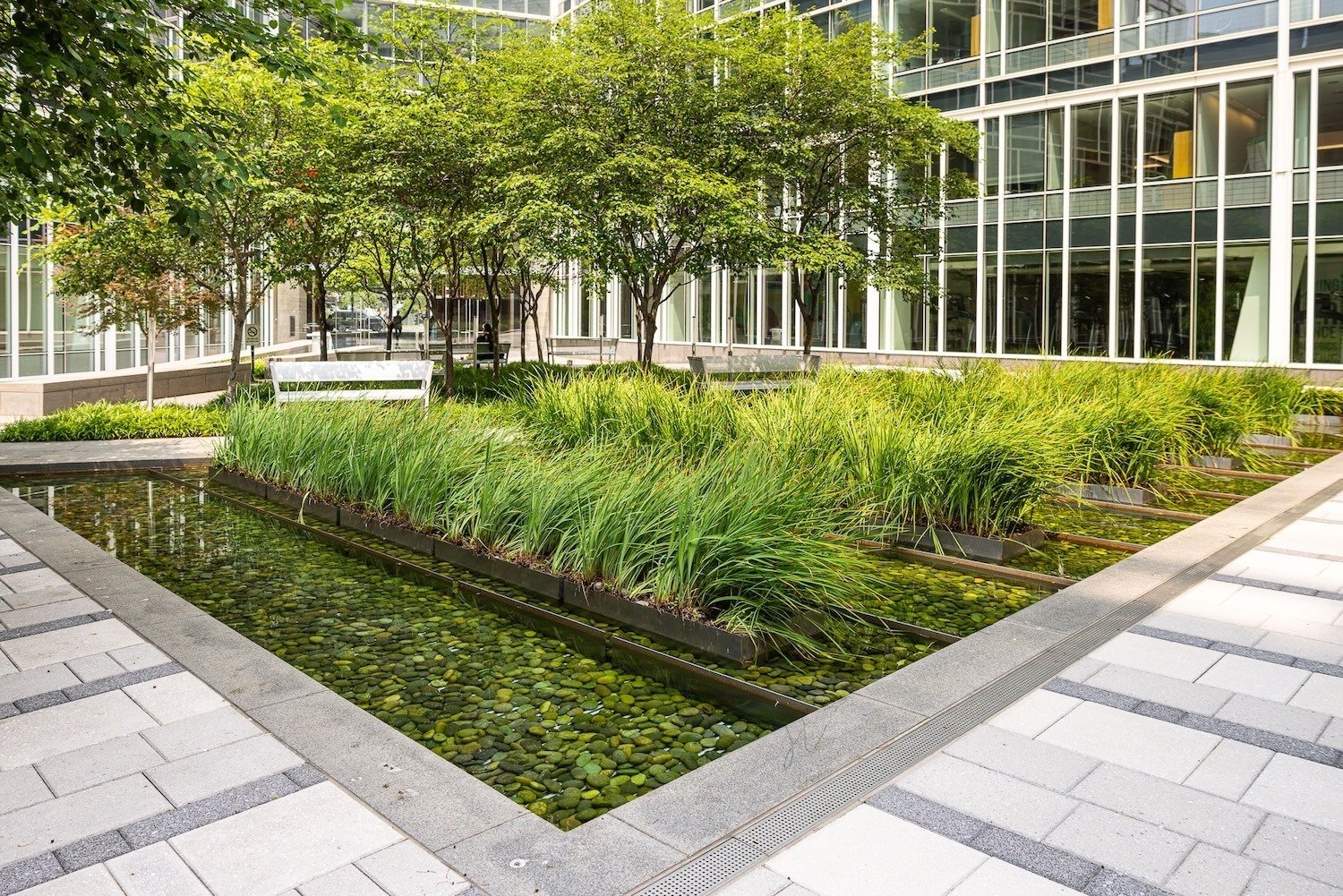
Standardizing Service Levels Across Diverse Urban Hubs
Consistency is the primary challenge when a portfolio spans different hardiness zones. A property in the Southwest requires vastly different care than one in the Northeast, yet the brand image must remain uniform. In 2026, top-tier managers use digital specification books that define exactly what "clean" means for every site. These specs include everything from the height of the turf to the specific species of drought-tolerant shrubs allowed in parking lot islands. These digital handbooks are shared with all field teams to eliminate guesswork. When expectations are clear, the need for expensive "catch-up" maintenance decreases significantly.
Regional variations in weather patterns, especially in places like southern California, demand flexible scheduling. The 2026 approach moves away from fixed weekly visits toward a needs-based model. If a drought is particularly severe, crews might shift their focus from mowing to soil health and irrigation repair. This flexibility prevents the waste of labor hours on tasks that provide no value during specific weather events. Investment in Pacific Green Landscape Maintenance Public Facility Grounds Care helps reduce the overhead associated with manual site inspections by providing automated alerts when conditions deviate from the norm.
Integrating Smart Technology for 2026 Operational Oversight
The integration of the Internet of Things (IoT) into grounds management has reached a peak in 2026. Soil moisture sensors and smart controllers are now standard equipment for any portfolio looking to scale. These devices provide data that justifies the budget for irrigation upgrades. Instead of guessing how much water is needed, managers use precise measurements to reduce waste and lower utility bills. In regions with high water costs, these savings often pay for the technology within a single growing season. Furthermore, many municipalities now offer rebates for properties that can prove their water use is optimized through smart tech.
Autonomous equipment is another factor driving efficiency this year. Large-scale mowers that operate without a driver are becoming common in expansive corporate campuses and HOAs. These machines can work during off-hours, reducing noise complaints and safety risks for tenants and visitors. By using autonomous tech for routine turf care, human labor can be redirected to more skilled tasks like pruning, pest management, and floral displays. This shift helps address the persistent labor shortages that have affected the service industry throughout the early 2020s. Asset holders frequently request quotes for Pacific Green Landscape Maintenance in SoCal when expanding their footprint into new states where manual labor costs are prohibitive.
Sustainable Practices and Regulatory Compliance
Environmental regulations have become more stringent as of 2026. In many US states, the use of gas-powered leaf blowers and small mowers is now heavily restricted or banned entirely. Scaling a portfolio requires a proactive transition to electric fleets. While the initial cost of battery-powered equipment is higher, the long-term savings in fuel and maintenance are substantial. Managing this transition across a multi-site portfolio requires a phased approach, starting with properties in regions with the strictest emissions laws. Managers must also consider the infrastructure needed for on-site charging, which has become a new line item in capital improvement budgets.

Water conservation laws are also shaping how properties are designed. Many cities now mandate the removal of "non-functional" turf—grass that is only for show and not used for recreation. Replacing these areas with native plants or permeable hardscapes reduces long-term maintenance costs and ensures compliance with local ordinances. In 2026, the focus is on "smart" greenery that can survive with minimal intervention. This reduces the risk of massive replacement costs following a heatwave or a cold snap. Documentation of these sustainable efforts is not just for compliance; it is also a key part of ESG (Environmental, Social, and Governance) reporting for institutional investors.
Procurement Strategies and Vendor Accountability
Scaling efficiently requires a clear view of where every dollar is spent. Many firms are now using specialized software to track service verification. Crews check in via GPS-tagged apps and upload photos of their work before they leave the site. This creates a digital trail that holds vendors accountable and provides the asset manager with proof of service without needing to be on-site. If a tenant complains about a fallen limb or a messy walkway, the manager can check the portal to see exactly when the last service occurred and what was done. This level of transparency is essential for managing large-scale portfolios where the manager might be hundreds of miles away from the property.

Bulk procurement of materials like mulch, fertilizer, and seasonal flowers is another way to drive down costs. By aggregating the needs of dozens of properties, managers can secure volume discounts that are unavailable to individual sites. This requires a high degree of coordination and a clear understanding of the inventory needs for the entire year. Predictive analytics tools are often used to forecast these needs based on historical data and projected weather patterns. This ensures that materials are ordered at the right time to avoid peak-season price hikes.
Effective scaling in 2026 comes down to the balance between high-tech oversight and localized expertise. While software can track a crew's location and a sensor can report soil moisture, the human element remains necessary for identifying plant diseases or irrigation leaks that a sensor might miss. The most successful asset managers are those who use technology to handle the routine data gathering, leaving them free to focus on high-level strategy and long-term asset value. By focusing on standardization, technology, and sustainability, companies can maintain beautiful, compliant, and cost-effective exterior environments across any number of locations.

Table of Contents
Latest Posts
Standardizing Workflow for Multi-Site Asset Management
Latest Posts
Standardizing Workflow for Multi-Site Asset Management